Lighting is the secret weapon in transforming a room, subtly or dramatically. Furniture, fabrics, colors, and accessories may be the first things to come to mind when redecorating, but without a change in lighting, it may be closer to a rearrangement than an actual design change.
Lamps are an important decorative aspect of lighting. A lamp can look great in one room but seem out of place in another. Why is this? It can be a variety of reasons:
- Style (of base and shade)
- Shape
- Height
- Weight
- Brightness or opacity
- Position
Rooms must also have the right combination of ambient lighting, task lighting, and accent lighting. Choosing the right lamp that is aesthetically pleasing as well as functional can make all the difference in the world.
Choosing Lamps for the Living Room
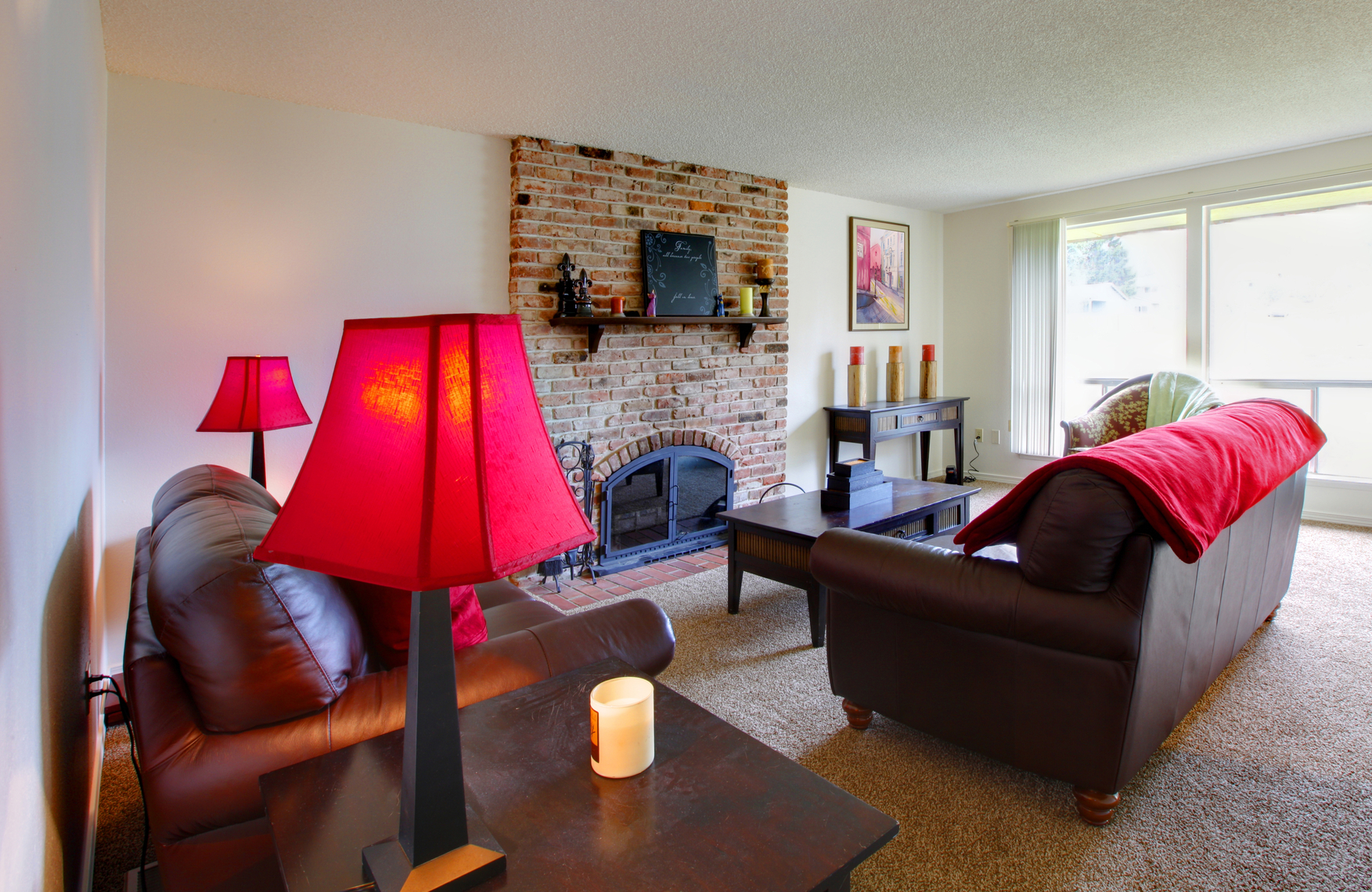
Living room lamps provide light but also function as decorative pieces. They should also “disappear” when there’s activity in the room. That is, they shouldn’t:
- Block sight lines
- Get in the way of conversation
- Be easily knocked around by elbows and hands
1. Choose a height that doesn’t reveal bulbs and hardware.
Floor lamps shouldn’t be so short that you can see down into it, or so tall that you can look up and see the bulb, switch, and other hardware.
When you place table lamps on the side table and sit down next to them, make sure the shade ends around eye level so you can’t look up into the works (typically, lamps should 25 to 34 inches tall).
2. Always keep function in mind.
If lamps will be used for reading or working, a bulb of at least 60 watts and a translucent shade is a great way to go. An opaque shade may work for moody accent lighting or for lamps near a TV where glare is a concern.
Dining rooms, on the other hand, may do better with softer light – less than 60 watts. Sideboard lamps (not on the dining room table) should complement the main overhead lighting. Keep these slim with an opaque shade for a diffused glow.
Floor lamps are great for lighting up a dark corner. For the rest of the living room, table lamps are ideal.
3. Match your décor.
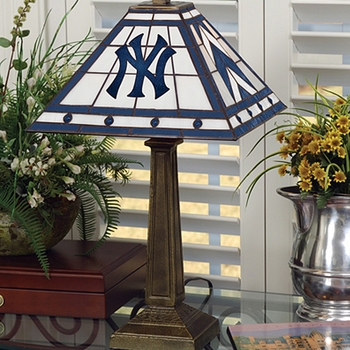
Conical or tapered shades work with more traditional décor. These can include Tiffany-shaped lamp shades or flared shapes. For more modern rooms, drum-shaped lampshades are a better fit. Bases can be slim for a sleek look. For a lot of character and modern flair, choose funky geometric shapes.
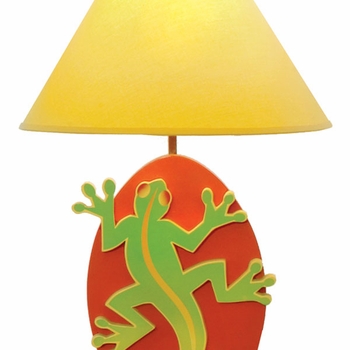
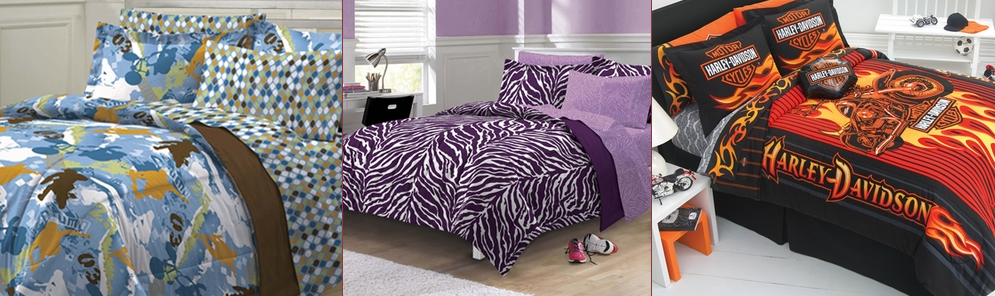
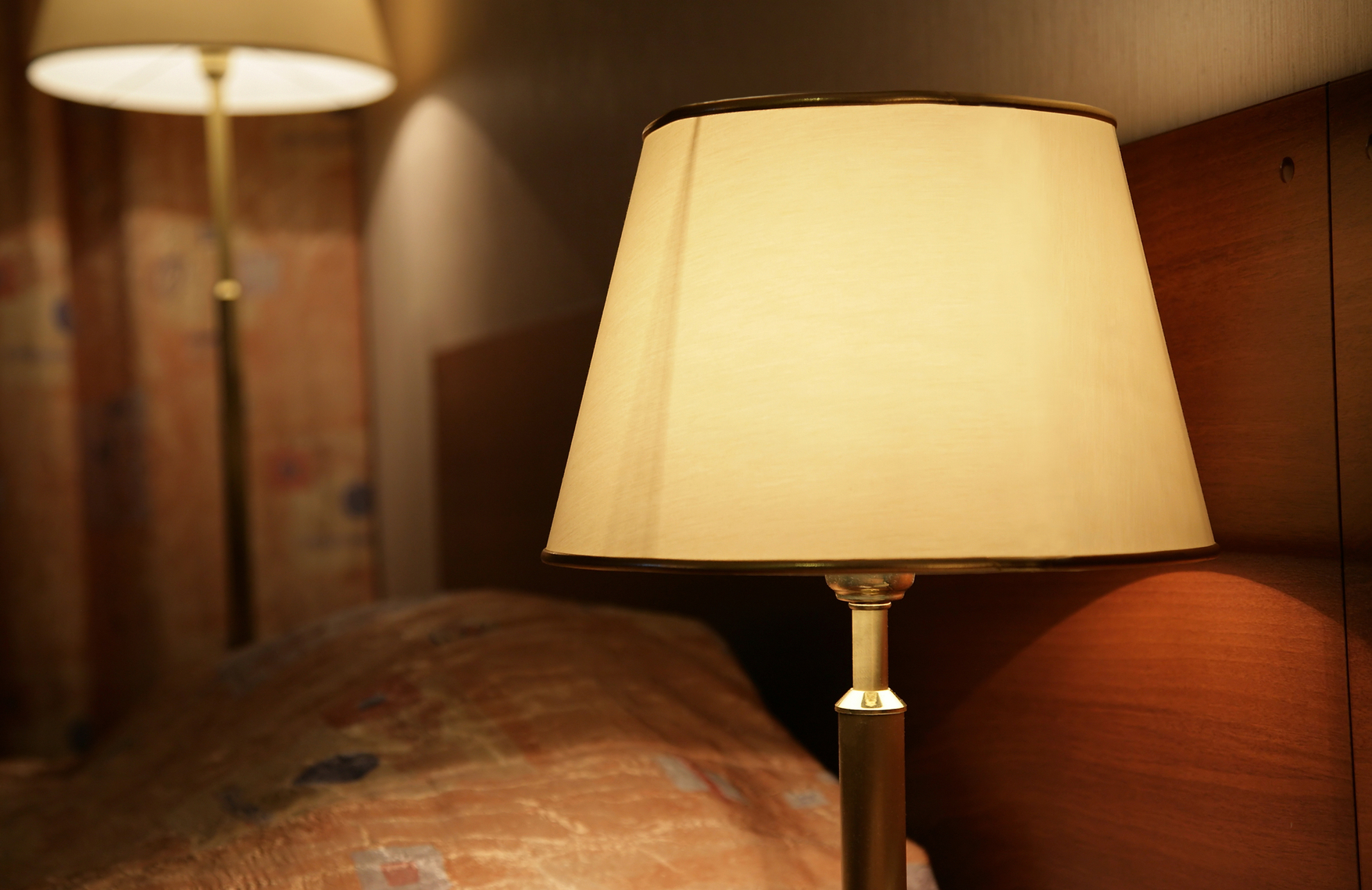
Bedroom lamps and kids room lamps can be pretty, fun, and otherwise very personal! Don’t worry about pleasing guests – choose lamps that fit your own personal style. Choose lower-height bedside lamps so they create personal pools of light and are easy to reach from the bed. Make sure they’re not too flimsy nor too bulky.
Kids lamps should be playful and colorful, with sturdy bases! No halogen bulbs – they get hot!.
4. Watch the base!
If you’re placing lamps between furniture, make sure the base is weighted enough that a bump won’t send it toppling over. If a lamp is in the middle of the living room, consider a base that is transparent or on the thinner side so lines of sight aren’t blocked. An overly bold lamp can detract from the smooth flow of conversation.
When choosing a lampshade, match the shape of the base. Match square or rectangular shades with square bases, and drum-shaped or round shades for round or gourd-shaped bases. Conical shades balance out thin bases nicely.
5. Scale is everything.
Make sure sizes are appropriate for the location. Think proper proportion! Big rooms deserve bold lamps. Huge lamps have no business on tiny side tables.
Lampshades shouldn’t be more than ¾ the size of the base. The edge of the shade shouldn’t extend past the table’s edge, either.
Lamps Boost Mood and Room
Even if you’re just looking for something cute to put on an end table, the addition of a lamp can change the mood of a room in a big, bright way. It’s also one of the easiest ways to make a statement and accentuate your personal style.